
#PMSAD 2026
PMSAD Resources
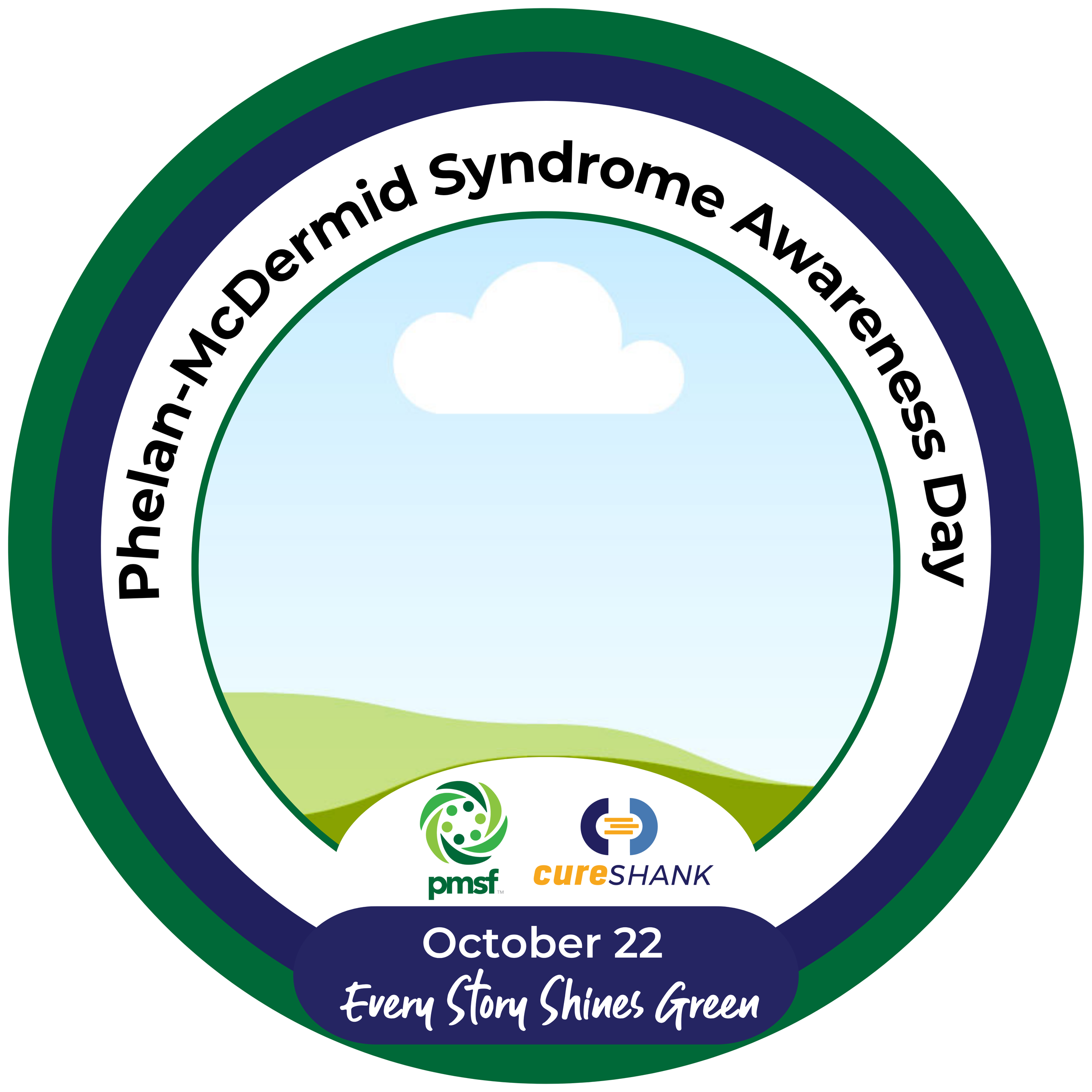
Customizable Frame
Download our photo frame and add it to your favorite picture. Post it on Facebook, Instagram, or LinkedIn to spread the word and show your support online.
What is Phelan-McDermid Syndrome?
Phelan-McDermid syndrome (PMS) is a profoundly disabling genetic condition caused by deletions and pathogenic variants of the SHANK3 gene. The disorder is characterized by varying degrees of developmental delay, intellectual disability, delayed or absent speech, and autism spectrum disorder or symptoms of autism. Individuals with PMS may also experience comorbidities such as epilepsy, hypotonia, gastrointestinal problems, and psychiatric illness.
About the Shank3 Gene
The SHANK3 gene is located on chromosome 22. It is the most-studied of three genes in the SHANK protein family (SHANK1, SHANK2, and SHANK3). Copy number variations (CNVs) and pathogenic variants of the SHANK genes cause “shankopathies,” which are protein deficiency-induced synaptic diseases.
SHANK3 is an autosomal dominant gene: human brains require functional expression of both SHANK3 genes, so the underexpression of SHANK3 caused by deletions and pathogenic variants is catastrophic. Duplications of the SHANK3 gene result in SHANK3 overexpression, which can cause symptoms such as hyperkinetic diseases and seizures.
Other genes that regulate the expression of the SHANK3 genes may contribute to the faulty expression of SHANK3 proteins. The study of these regulatory genes might help identify treatments, such as small molecules, that could normalize the expression of SHANK3 proteins.
At present, there exists no diagnostic test for measuring the level of expression of the SHANK genes in the brain. There is a high need for the development of biomarkers of SHANK3 expression in the brain.
Diagnosis & Treatment of PMS
As of 2026, the estimated prevalence of PMS is estimated to be 1 in 7,300 or 45,000 individuals in the US. This data comes from a landmark prevalence study that was funded by Neuren Pharmaceuticals, CureSHANK, and Seaver Autism Center.
There are currently no FDA-approved treatments specifically for PMS. Advances in genetics and therapeutic development are creating new opportunities to pursue meaningful treatments.